Loading destination...




Loading destination...
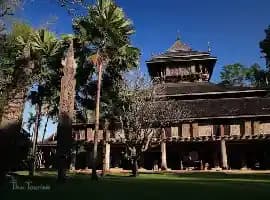
Founded in the 13th century as part of the Lanna Kingdom, Chiang Rai is a compact city surrounded by mountains, rivers and tea-covered hills. Compared with Chiang Mai, it feels more low-key and local, with fewer crowds yet some of Thailand’s most dramatic modern temples.
No products found.

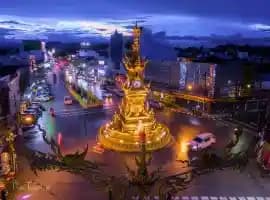
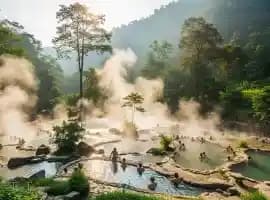
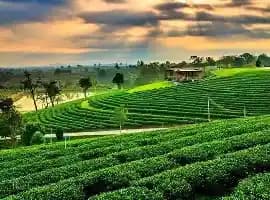
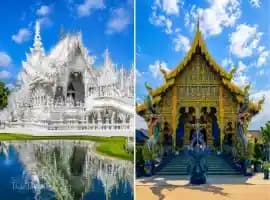
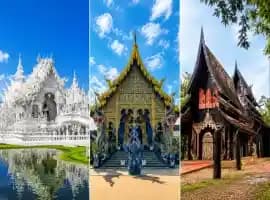

Founded in the 13th century as part of the Lanna Kingdom, Chiang Rai is a compact city surrounded by mountains, rivers and tea-covered hills. Compared with Chiang Mai, it feels more low-key and local, with fewer crowds yet some of Thailand’s most dramatic modern temples.
For first-timers, 2–3 days is enough for the White Temple, Blue Temple, Black House and basic city sights. 4–5 days lets you add the Golden Triangle, tea plantations and some countryside time.
The best weather is usually November to February, when days are cooler and drier, ideal for day trips and photography. April is hot but lively with Songkran water-festival celebrations.
Yes. Chiang Rai has a quieter, more rural feel and very distinctive temple art (White/Blue/Black), plus the Golden Triangle and tea hills – it complements, rather than duplicates, Chiang Mai.
You can, and many travellers do, focusing on the White Temple, Blue Temple and Golden Triangle in one long day. However, staying one or two nights in Chiang Rai allows a more relaxed pace and evening experiences like the clock tower show and markets.
Definitely. The temples are visually engaging, Singha Park and tea fields are great for kids, and Golden Triangle boat trips are gentle adventures. Just avoid the hottest midday hours with young children.
Chiang Rai is generally seen as a safe, laid-back destination. Standard travel common sense applies – look after your belongings, be cautious when crossing roads and follow local guidance in rural areas.