Loading destination...




Loading destination...
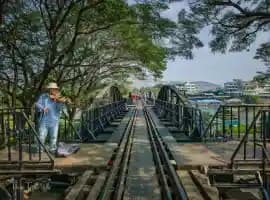
Kanchanaburi sits at the confluence of the Khwae Yai and Khwae Noi rivers, surrounded by forests and limestone hills. It became globally known through the story and film “The Bridge on the River Kwai”, which dramatises the building of the Thai–Burma “Death Railway” during World War II. Today, you can walk across the actual bridge, visit war museums and cemeteries, and ride part of the historic railway line.
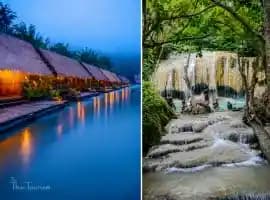
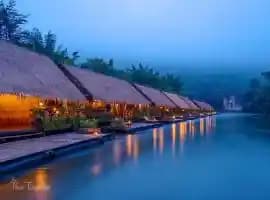
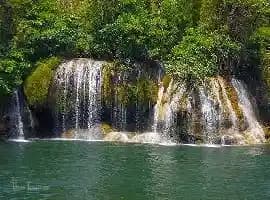
Beyond its tragic history, Kanchanaburi is a gateway to some of Thailand’s most beautiful national parks, including Erawan National Park (famous for its 7-tiered waterfall) and Sai Yok National Park with raft houses, caves and waterfalls along the Khwae Noi River.
The Thai Tourism helps you experience both sides of Kanchanaburi – respectful, well-organised heritage visits and relaxed nature-focused escapes.
No products found.
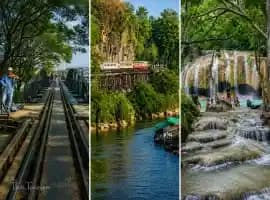
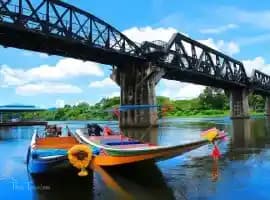

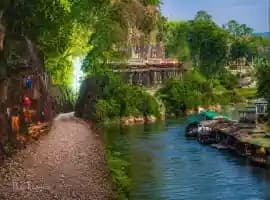
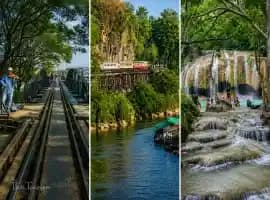
Kanchanaburi sits at the confluence of the Khwae Yai and Khwae Noi rivers, surrounded by forests and limestone hills. It became globally known through the story and film “The Bridge on the River Kwai”, which dramatises the building of the Thai–Burma “Death Railway” during World War II. Today, you can walk across the actual bridge, visit war museums and cemeteries, and ride part of the historic railway line.
Beyond its tragic history, Kanchanaburi is a gateway to some of Thailand’s most beautiful national parks, including Erawan National Park (famous for its 7-tiered waterfall) and Sai Yok National Park with raft houses, caves and waterfalls along the Khwae Noi River.
The Thai Tourism helps you experience both sides of Kanchanaburi – respectful, well-organised heritage visits and relaxed nature-focused escapes.
A full day is enough for the bridge, a short train ride and one museum. For Erawan Falls + railway + Hellfire Pass + Sai Yok or a raft stay, we recommend 2–3 days.
Kanchanaburi is best known for the Bridge Over the River Kwai, the Thai–Burma “Death Railway”, Erawan Waterfall and Sai Yok National Park, plus its floating raft resorts along the River Kwai.
The most comfortable months are November to February, during the cool/dry season. April is extremely hot but coincides with Songkran water festival, including special celebrations in Sangkhlaburi (Mon Songkran).
Yes – there’s a mix of gentle outdoor activities (waterfalls, river trips, nature walks) and educational WWII history, especially for older kids and teens. Just plan around the heat and walking distances.
You can travel by train, bus/minivan or private car/transfer. Journey time is roughly 2–3 hours, depending on route and traffic. The Thai Tourism can include this transfer inside your tour or multi-day package.
Yes – many travellers book floating raft hotels or riverside resorts in Sai Yok and along the River Kwai, often as part of a 2-day package that includes railway and waterfall tours.